The science, in homeowner language

Useful evidence. Clear limitations.

Here is what changes as shingles age, what published testing found, and how to read those results without turning them into promises they cannot support.

Asphalt-shingle roof partway through treatment: treated shingles darker and deeper in color beside dry, faded ones
Roof Rejuvenate USA dealer photo, mid-application — not a completed HOTH project.
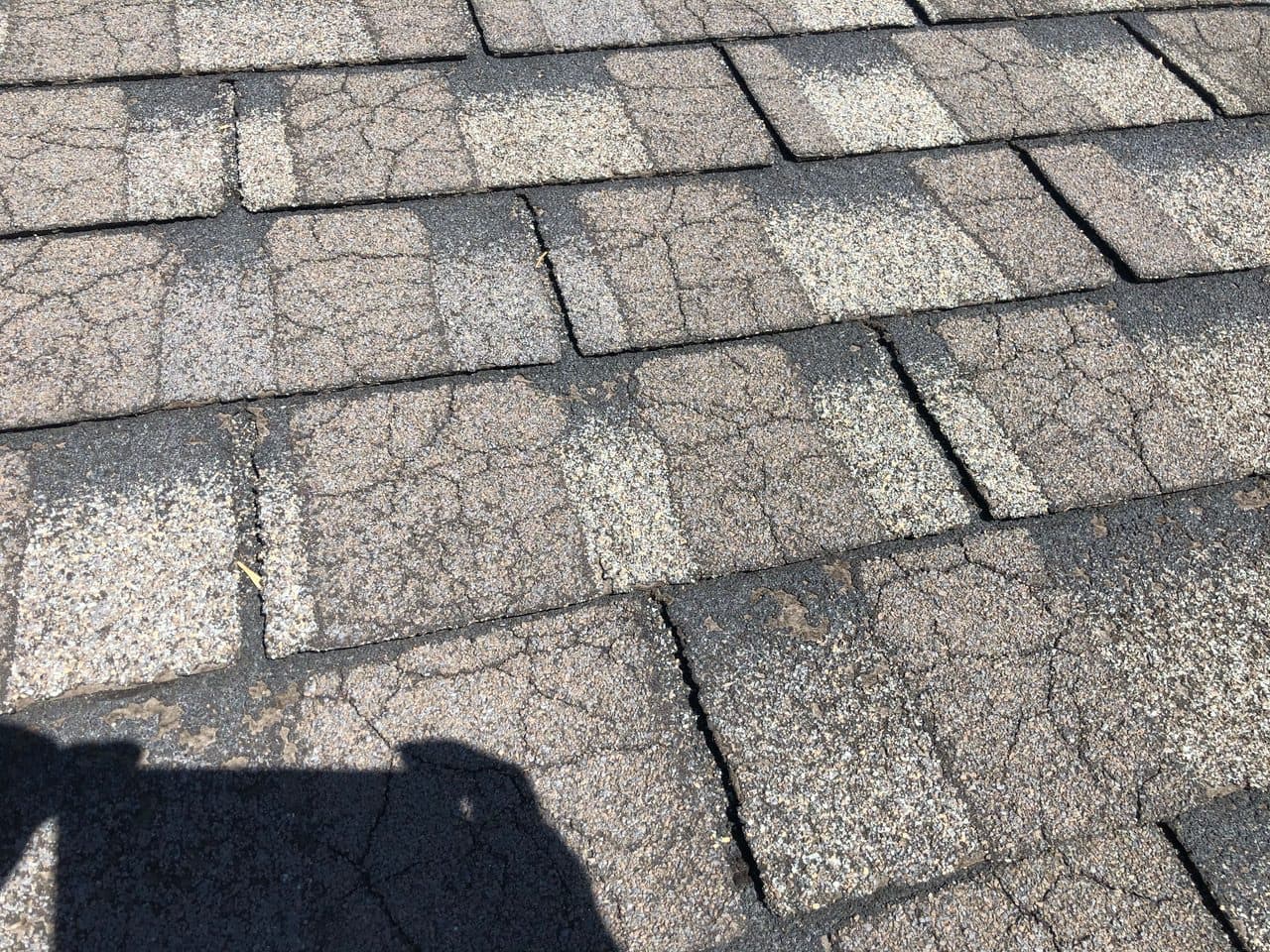
Close view of aging asphalt shingles with cracks and worn, patchy granules
Roof Rejuvenate USA dealer photo of aging, cracked shingles — not a HOTH project.

Start with the material

Why does an older shingle become brittle?

The asphalt in a shingle contains oils that help the material remain flexible. Sun, heat, oxygen, and weather gradually change that balance.

As those oils diminish, the shingle can become drier and more rigid. It may release more surface granules and respond less readily to movement or cold. The product uses a natural, corn-based oil with 95% USDA Certified Biobased Content to help replenish oils in serviceable shingles; it cannot rebuild a failed roof.

Tested in the lab. Proven on real roofs.

Roof Rejuvenate lab testing results: 1,500 hours of accelerated weathering; 53% better granule retention and 66.7% improved cold-weather flexibility versus untreated shingles; product still present in the shingle after 5 years. PRI Asphalt Technologies, March 2025.
  • 53%Better granule retentionCompared with untreated shingles
  • 66.7%Improved cold-weather flexibilityLowest passing temperature improved from 15°C to 5°C
  • 5 yearsStill present in the shingleThird-party laboratory validation
PRI Asphalt Technologies • Rejuvenator Performance Study • March 2025
Roof Rejuvenate lab testing results: 1,500 hours of accelerated weathering; 53% better granule retention and 66.7% improved cold-weather flexibility versus untreated shingles; product still present in the shingle after 5 years. PRI Asphalt Technologies, March 2025.

Download the homeowner lab summary (PDF)

Published comparison testing

What did the testing find?

Each result below compares treated and untreated aged shingles. The larger number is only half the story, so we have translated it into what it may mean for the material on a roof.

Roof Rejuvenate USA, working with Sika, commissioned independent laboratory PRI Asphalt Technologies to compare treated and untreated shingles taken from an approximately 15-year-old roof. PRI then put the samples through 1,500 hours of accelerated weathering designed to simulate about five years of natural aging.

These are results reported in published laboratory testing on approximately 15-year-old asphalt shingles, not a guarantee that an individual roof will achieve identical results or exactly five additional years. Tested products may not necessarily be the exact formulation currently used or available through every dealer.

Roof Rejuvenate graphic comparing a shingle before treatment (aged binder, brittle, granule loss) with after treatment (rejuvenated binder, flexible, granules held in place)
Conceptual material-science visualization from Roof Rejuvenate USA — not a laboratory photograph or performance result.
53%0.67 g treated vs. 1.43 g untreated

Less granule loss

In this laboratory comparison, treated shingles shed about half as much granule mass. For your roof, retaining more of that protective surface may help keep the asphalt below better shielded from sun and weather.

Independent testing by PRI Asphalt Technologies
66.7%In the published comparison

Better cold flexibility

The treated samples bent more readily in cold testing. For your shingles, that points to less brittle material behavior—the opposite of the dry, rigid condition that makes older shingles easier to crack.

Independent testing by PRI Asphalt Technologies
1,500 hrsDesigned to simulate about five years of natural aging

Accelerated weathering

After completing the full controlled aging cycle, the treated shingles still showed measurable improvements in granule retention and cold flexibility. That gives homeowners useful evidence that the benefits lasted well beyond the day of application.

Independent testing by PRI Asphalt Technologies

Product pedigree matters

Who engineered the formula?

After looking at the published results, it is reasonable to ask who stands behind the chemistry. The formula’s construction-materials lineage is an important part of the decision.

Sika — Building Trust

Roof Rejuvenate's formula was engineered by Colorbiotics, a Sika company.

Construction-materials lineage

Backed by a name builders know.

Sika is a global specialty-chemicals company with more than a century of experience developing systems that bond, seal, reinforce, repair, and protect buildings and infrastructure.

  • 103 countries
  • 400+ factories
  • 33,700 employees
  • CHF 11.2B in 2025 sales

Evidence, not a diagnosis

What can these results not tell you?

Laboratory comparisons cannot tell us whether your flashing leaks, whether decking is sound, or how your particular roof will respond. They do not create a new wind, hail, or impact rating, and they do not guarantee an exact number of added years.

That is why an on-roof assessment still comes before a recommendation.

Environmental profile

What is in the published product story?

  • 95% USDA Certified Biobased Content
  • Corn-derived
  • No added PFAS

These statements describe the product’s published composition and positioning. They do not change the need for correct preparation, application, and runoff protection.

Protection in writing

What does the warranty mean?

A warranty is useful when the roof qualifies, the work is documented, and the service is properly registered.

A five-year transferable product warranty is available, subject to the current written terms, roof qualification, approved preparation and application, documentation, and registration.

At the end of that cycle, a roof that remains serviceable and qualifies again may be treated again—helping a homeowner preserve usable shingles and delay replacement longer.

The current written warranty controls the actual coverage, exclusions, transfer requirements, and claims process.